
New Technologies for Restaurants to Manage UCO
New technologies are transforming how restaurants manage used cooking oil (UCO), moving beyond simple disposal to efficient recycling practices. These innovations not only enhance operational safety and cleanliness but also contribute significantly to environmental sustainability by converting waste into valuable resources like biodiesel
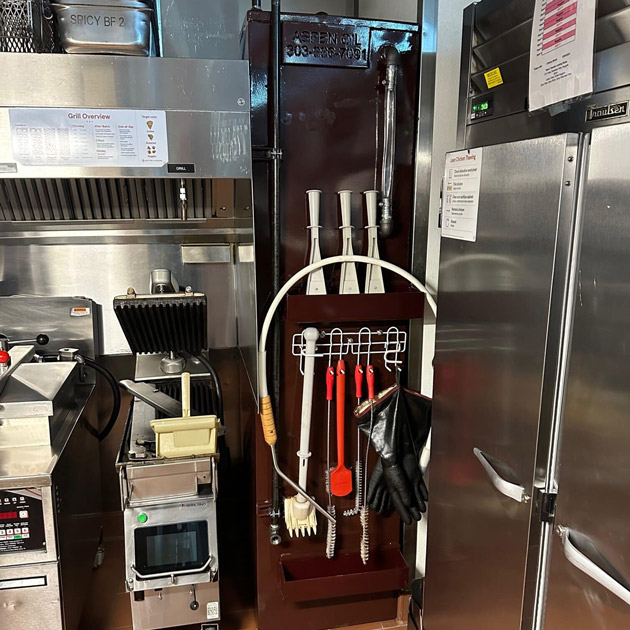
- Automated oil management systems, such as those offered by companies like Restaurant Technologies and Aspen Oil Recycling transfer used oil via enclosed pipes into secure tanks. These closed-loop systems connect directly to fryers, pumping out the used oil and piping in the fresh oil.
- Pros: Dramatically improves safety by eliminating human handling of hot oil, reducing spills, burns, and falls. It also improves cleanliness, reduces labor costs, and optimizes oil usage. Real-time monitoring provides data for better oil management.
- Cons: High upfront installation costs can be a barrier for smaller establishments. These systems may also require ongoing maintenance and can limit flexibility if tied to exclusive service contracts with a single provider.
2. On-site portable filtration units like these from Frymaster, allow restaurants to filter their UCO, extending its lifespan and improving food quality before it’s collected for recycling.
- Pros: Extends the life of cooking oil, reducing the total cost of oil. It also improves the quality and consistency of fried foods. Some recyclers provide these for free.
- Cons: May require an initial investment in equipment and dedicated space. Regular maintenance of the filtration units is necessary, and staff training is crucial for proper operation.
3. Smart sensors and AI-driven optimization are making strides in efficiency of the collection of UCO. These sensors and AI algorithms sense or predict the level of oil in a tank. While not directly in-restaurant processing, these technologies streamline the collection process, making it more efficient for restaurants and haulers.
- Pros: Reduces the frequency of pickups, prevents overflows, and ensures timely collection, contributing to a cleaner and more organized back-of-house. It also improves transparency and traceability in the recycling chain.
- Cons: The restaurant’s direct involvement is minimal beyond having the smart bins; the benefits are primarily realized by the collection companies.
These technological strides are making UCO management safer, more efficient, and more environmentally responsible, turning what was once a waste product into a valuable resource.